You Only Get One Brain — Take Care of It
Many parts of the human body can sometimes be repaired or replaced with modern medicine, but the brain is uniquely important and deserves lifelong care.
Good brain health starts with everyday habits. Getting enough sleep, eating a balanced diet, drinking enough water, exercising regularly, and keeping the mind active can support both physical and mental well-being. Managing stress through relaxation, meditation, prayer, hobbies, or other healthy activities may also contribute to overall wellness.
Protecting the brain from injury is equally important. Wearing appropriate protective equipment and taking precautions to prevent head injuries—especially during sports, work, driving, and other physical activities—can reduce the risk of serious or repeated brain trauma.
Our daily choices can influence our health over time. Taking care of the brain through healthy habits, physical activity, mental stimulation, adequate rest, and injury prevention is an investment in long-term quality of life.
Source: Adapted and summarized for educational purposes from “You Only Get One Brain,” Radiant Life Chiropractic.
copy from : You Only Get One Brain | Radiant Life Chiropractic
Title: You Only Get One Brain
Publisher/Author: Radiant Life Chiropractic
Publication date: August 27, 2020
Website: Radiant Life Chiropractic
You can get an implant for a missing tooth. You can get a prosthesis, a mechanical limb to use if one of your arms or legs is damaged or lost. You can even get a transplant if your heart, lungs or kidneys wear out.
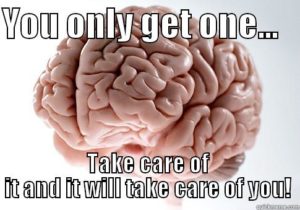
But you only get one brain – there are no replacement parts for the contents of your skull. And that means that of course you need a little luck, but it also calls for developing good habits to improve your brain health and avoid the behaviors or conditions that hurt, injure, inflame or otherwise destroy your brain.
So, your best practices for the care and feeding of your brain include enough sleep, good food, sufficient water and exercise, and using your mind creatively and actively to retain and enhance your mental acuity. Reducing your stress through massage, meditation, prayer or some other relaxation techniques is also necessary.
Chiropractic adjustments and proper spinal movement have been shown to nourish and stimulate the brain toward better function. And of course you must avoid injury to the best of your ability, either severe head trauma or repetitive micro-injuries from sequential bumps and bruises, like in contact sports, for example.
If you take good care of your brain, you will get amazing and powerful service from it. If not, then you have to wonder just how long you can remain consistent with life itself. The good news is, there’s plenty you can do to tip the scales in your favor – you just actually have to make the effort to do it. If you have any specific questions about how to better take care of your brain or overall health, then please do not hesitate to call or text us at 215-259-5100. Also follow us on Facebook or Instagram (@radiantlifechiro) for more helpful information!

