https://dailypassport.com/u-s-cities-every-antique-lover-should-visit/
Tips
Commercial flying is one of the safest forms of travel. According to the International Air Transport Association (IATA), of the 40.6 million flights in 2024, there was only one accident per 810,000 flights. Nevertheless, an analysis from aircraft manufacturer Airbus shows that the takeoff, approach, and landing stages of a flight are statistically when the most incidents happen. Thankfully, clearly defined rules are in place to keep passengers and crew safe. One aspect of these precautionary protocols concerns lighting — you may have noticed that the cabin lights are dimmed before takeoff and again as the crew prepares for landing. Ever wondered why? We’ll explain below.

If you walk from a brightly lit space into a dark one — such as when you first walk into a movie theater — it takes a moment for your vision to adjust. In fact, sometimes it takes much longer than a moment — that process, known as dark adaptation, can require as much as 20 to 30 minutes. As light levels recede, photoreceptor cells in the retina called cones and rods become more light sensitive, enabling you to see better.
In the event of an aircraft evacuation, your eyes will need to similarly adjust, especially if it’s dark outside. Therefore, in order to balance out the light levels within and outside the plane, it makes sense for the cabin lights to be dimmed. This gives your eyes a chance to begin to adjust while you’re still on the plane, so that if an emergency evacuation is called for, you have more effective vision as you exit the aircraft.

Of course, if you are asked to evacuate the plane, you’ll need to find your way to an emergency exit. One of the features of an aircraft that helps you do so is a line of lights that illuminate the aisle. In the event of a smoke-filled cabin, for instance, the floor of the aircraft is likely to be where visibility is greatest, which is why the lights are embedded into it.
Interestingly, in situations when your vision is impaired, studies show that up to 83% of your wayfinding ability is lost. A smoke-filled cabin can therefore seriously impair a traveler’s ability to safely evacuate, meaning that every single precaution that can be taken to counteract this disadvantage should be in place.
Though passengers are instructed to note the position of the nearest exit row during the crew’s safety briefing, this information may not register, or it may be forgotten in the event of an emergency. Emergency exit lights play a crucial role in helping passengers reach the exits as quickly as possible — and they will be easier to pick out if your eyes have already adjusted to a dim cabin.

In addition to dimming the cabin lights, sometimes you’ll find that crew members also instruct passengers to open window shades, at least in certain seats, which allows all those on board to better see what’s going on beyond the aircraft windows. On a routine flight, this means that travelers in a window seat will be able to enjoy the view, but really it’s safety that drives this.
These regulations ensure the cabin isn’t as brightly lit and are also useful in extraordinary circumstances when it could be beneficial to know what’s going on outside the aircraft. This may be especially advantageous if the plane is on the ground but the need to steer clear of a part of the aircraft effectively puts an emergency exit out of action.
Featured image credit: Santiago Urquijo/ Moment via Getty Images
For many of us, sending and receiving mail is a routine part of our daily lives. But this seemingly mundane task has quite an interesting history. Postal systems have existed for nearly as long as humans have communicated through writing. Egypt holds the distinction of pioneering the earliest documented state-sponsored postal service, which dates all the way back to 2400 BCE, with the oldest known postal document dating back to 255 BCE. Initially used by pharaohs, emperors, and kings to disseminate information across their domain, postal systems eventually broadened their scope to transmit messages among religious and educational institutions.
ကျွန်ုပ်တို့အနက် အများစုအတွက် စာပို့ခြင်းနဲ့ စာလက်ခံခြင်းက နေ့စဉ်ဘဝအလုပ်အကွေးတွေအနက် တစ်ခုသာဖြစ်တတ်ပါတယ်။ ဒါပေမဲ့ ဒီလို ပျင်းသက်ဖွယ်လိုက်တာတစ်ခုတောင် စိတ်ဝင်စားဖွယ် အနက်ပါလှတဲ့ သမိုင်းနောက်ခံရှိပါတယ်။ စာပို့စနစ်တွေဟာ လူသားတွေ ရေးသားလို့ စတင် ဆက်သွယ်လာတဲ့အချိန်ကတည်းက ရှိလာခဲ့ကြပါတယ်။ ဧဂျစ်နိုင်ငံကတော့ နိုင်ငံအဆင့်ဖြင့် စာပို့စနစ်ကို စတင် တည်ထောင်ခဲ့သော ပထမဆုံးနိုင်ငံအဖြစ် မှတ်တမ်းတင်ထားရှိပါတယ်။ ၎င်းသည် BCE 2400 ခုနှစ်အနီးတွင် စတင်ခဲ့ပြီး၊ သိရှိထားသော အကြီးဆုံးစာပို့မှတ်တမ်းတစ်ခုသည် BCE 255 ခုနှစ်အထိ ရှိနေသည်။ ပထမဦးစွာတွင် စာပို့စနစ်ကို ဖာရို၊ ဘုရင်များနှင့် စစ်သူကြီးများက မိမိတို့နိုင်ငံအတွင်း သတင်းအချက်အလက်များ ပေးပို့ရန် အသုံးပြုခဲ့ကြသည်။ နောက်ပိုင်းတွင်တော့ ဤစနစ်ကို ဘုရားရေးအဖွဲ့အစည်းများနှင့် ပညာရေးအဖွဲ့အစည်းများအကြား သတင်းပေးပို့ရေးအတွက် ထပ်မံချဲ့ထွင် အသုံးပြုလာခဲ့ကြသည်။Relay stations were established along messenger routes to expedite the delivery of information across vast distances. As these systems evolved to become more efficient and inclusive, the opportunity to send messages via formal postal services was eventually made available to private individuals.
Since the earliest days of royal postal services, mail has been delivered via nearly all possible means: It’s been carried by couriers on foot, horse and wagon, mule, bicycle, train, steamboat, plane, motorcycle, and even dog sled. Here are more fascinating facts about the history of mail and how it has evolved over the centuries to keep us all connected.
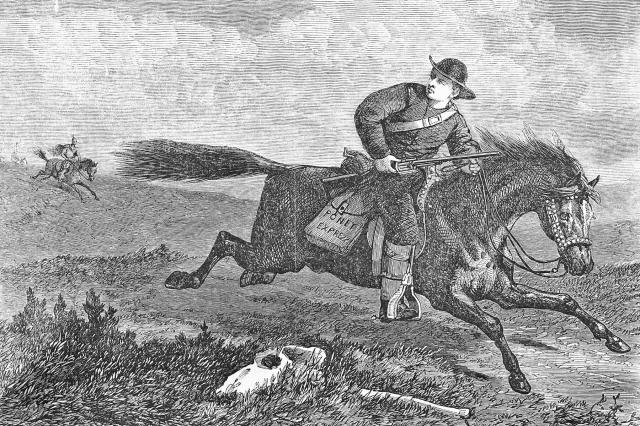
In the 1800s, mass migration westward via the Oregon Trail, the arrival of Mormon immigrants in Utah, and the California gold rush all played a role in the need for swift and reliable mail service beyond the Rocky Mountains. The Leavenworth and Pike’s Peak Express Company, which eventually became the parent company of the Pony Express, galloped in to fulfill this need in 1859.
Covering more than 1,900 miles in just 10 days, the Pony Express ran between St. Joseph, Missouri, and Sacramento, California. With horse-changing stations posted at 10- to 15-mile intervals along the route, each rider was able to cover an average of 75 to 100 miles before passing the reins to the next.
However, it wasn’t long before the completion of the transcontinental telegraph system brought an end to the Pony Express. Although the equestrian delivery service looms large as an enduring symbol of the rugged American Old West, it really only ran from April 1860 to October 1861.
၁၈၀၀ ပြည့်နှစ်များအတွင်း အိုရီဂွန်လမ်းကြောင်းမှ အနောက်ဘက်သို့ လူအများအပြား ပြောင်းရွှေ့နေထိုင်ခြင်း၊ ယူတာပြည်နယ်သို့ မော်မန်ဗျူဟာသစ်ပြောင်းလာသူများ ရောက်ရှိခြင်းနှင့် ကယ်လီဖို့နီးယားတွင် ရွှေတွေ့ရှိမှုကြောင့် ဖြစ်ပေါ်လာသော ရွှေတူးအကြောင်းအရာတို့သည် ရော့ကီတောင်များအနက်တွင် လျင်မြန်ပြီး ယုံကြည်ရသော စာပို့ဝန်ဆောင်မှုတစ်ခုအတွက် လိုအပ်မှု ပိုမိုဖြစ်လာစေခဲ့သည်။
Leavenworth နှင့် Pike’s Peak Express Company ဟုခေါ်သော ကုမ္ပဏီသည် 1859 ခုနှစ်တွင် ထိုလိုအပ်ချက်ကို ဖြေရှင်းရန် စတင်လုပ်ဆောင်ခဲ့ပြီး နောက်ပိုင်းတွင် ပုံနီအီးကျွန်း (Pony Express) ၏ မူလမိသားစုကုမ္ပဏီအဖြစ် ဖြစ်လာခဲ့သည်။
ပုံနီအီးကျွန်းသည် Missouri ပြည်နယ်ရှိ St. Joseph မှ စတင်ပြီး California ပြည်နယ်ရှိ Sacramento သို့ သာမန်အားဖြင့် ၁၀ ရက်အတွင်း ၁,၉၀၀ မိုင်ကျော် အကွာအဝေးကို ဖြတ်သန်းခဲ့သည်။ လမ်းကြောင်းတစ်လျှောက်တွင် ၁၀ မိုင်မှ ၁၅ မိုင်အကွာအဝေးတိုင်းတွင် မြင်းပြောင်းစခန်းများ တည်ဆောက်ထားပြီး မြင်းစီးသူတစ်ဦးစီသည် နောက်တစ်ဦးထံ မြင်းအပ်မီ ပျမ်းမျှ ၇၅ မိုင်မှ ၁၀၀ မိုင်အထိ စီးနင်းနိုင်ခဲ့သည်။
သို့ရာတွင် တစ်ချိန်တည်းမှာပင် တစ်လျှောက်တစ်လျှောက် တည်ဆောက်နေသော အမေရိကန် တစ်လျှောက်တည်း တယ်လီဂရပ်စနစ် (transcontinental telegraph system) ပြီးဆုံးလာသည်နှင့်အမျှ ပုံနီအီးကျွန်း စာပို့ဝန်ဆောင်မှုသည် အဆုံးသတ်လိုက်ရသည်။
ပုံနီအီးကျွန်းသည် အမေရိကန် အနောက်တောင်ပိုင်းသမိုင်းတွင် ရဲရဲဝံ့ဝံ့ နာမည်ကျော်နေသော်လည်း သက်တမ်းအရ သိပ်မရှည်ခဲ့ပါဘူး။ အဖြစ်အပျက်အရ 1860 ပြည့်နှစ် ဧပြီလမှ စတင်ပြီး 1861 ပြည့်နှစ် အောက်တိုဘာလတွင် အဆုံးသတ်ခဲ့ပါသည်။
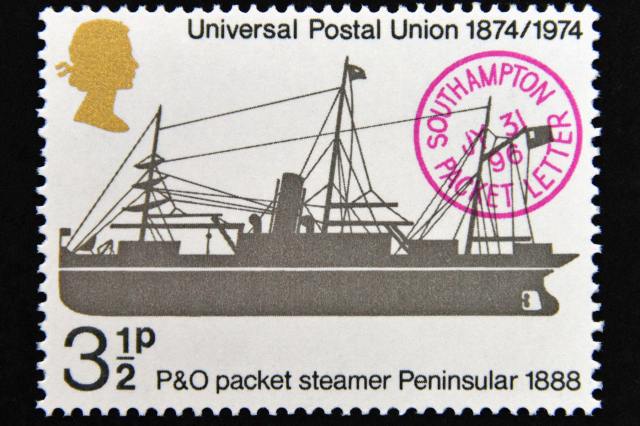
Headquartered in Bern, Switzerland, the General Postal Union was established when 22 countries signed the Treaty of Bern on October 9, 1874. The organization was formed with the intent of unifying the multitude of international postal services into a single postal territory and establishing regulations for international mail exchanges.
In 1878, the group’s name was changed to the Universal Postal Union to reflect its fast-growing global membership. Today, the UPU has expanded to 192 member countries and not only sets the guidelines for international mail exchanges, but also serves to advise, mediate, and act as a liaison in postal matters, making recommendations for growth and providing technical assistance as needed.
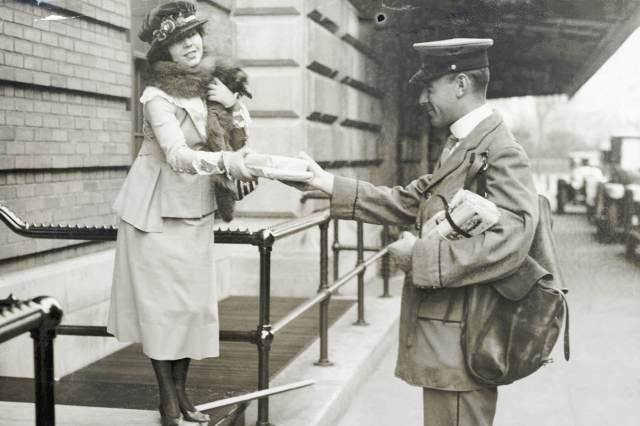
Starting January 1, 1913, people were able to send parcels that weighed more than 4 pounds via the U.S. Post Office’s parcel post service. Prior to that, Americans had to rely on private, unregulated express companies to transport their packages.
The service was used primarily by rural farm families to ship their goods, and around 300 million parcels were mailed during the first six months of operations, spurring box manufacturers to design boxes capable of carrying the wide variety of items consumers wanted to ship. Some of these first packages included items such as apples and eggs, but other resourceful customers took advantage by “mailing” their children, because the cost of postage to have a child chaperoned to their destination by a postal worker was cheaper than a train ticket. However, only a few children were “mailed” via the postal service before the postmaster established regulations prohibiting the practice.
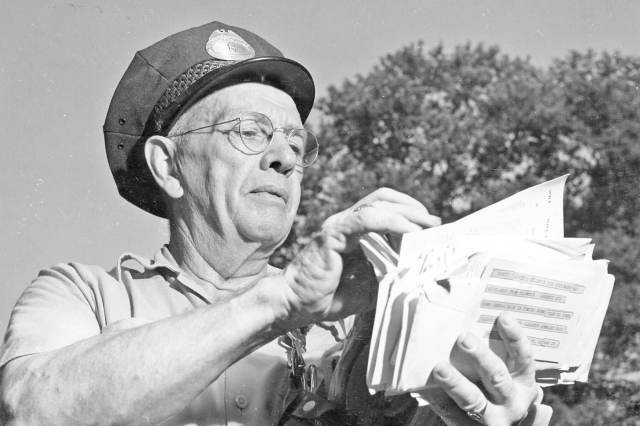
The 1963 introduction of Zone Improvement Plan (ZIP) codes in the United States aimed to streamline the mail sorting process for faster delivery. Two-digit numerical codes originated during World War II, when post offices faced staffing shortages; the first digit denoted the city, while the second denoted the state.
Those two-digit codes evolved into the five-digit ZIP codes we know today. The first digit represents a broad geographical area, from 0 in the Northeast to 9 in the West; the following two digits designate the code of a central post office facility in that region; and the last two digits represent small post offices or postal zones.
In 1983, the ZIP+4 code was introduced to further increase the precision of mail sorting by adding a hyphen and four more numbers to the five-digit ZIP code. These additional numbers serve to identify specific delivery routes that can represent houses on one side of a street or even a particular building that receives a lot of mail.
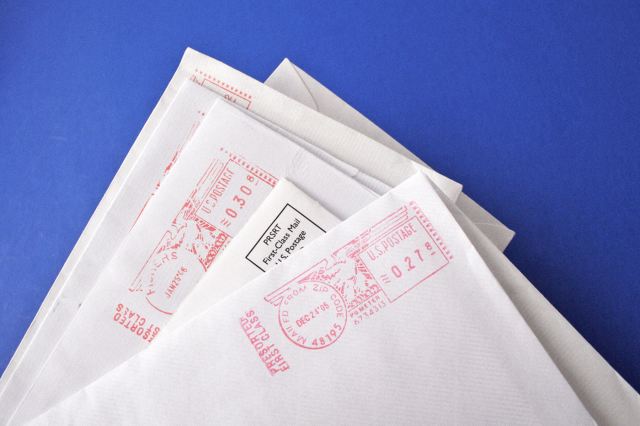
The prevalence of letter writing began to fade in the 19th and 20th centuries as the telegraph and telephone became widely available. Over the past three decades, the convenience of email, texting, and other forms of digital communication have caused another steep drop in the sending and receiving of “snail mail.” A 2021 survey found that 37% percent of Americans hadn’t written a personal letter for more than five years, while 15% of adults reported that they had never written one.
But the sending and receiving of handwritten messages continues to endure on a smaller scale; in fact, the U.S. Postal Service noted an uptick in handwritten notes and cards during the pandemic as people sought to connect during an uncertain and isolating time. In addition, volunteer organizations have used postcard-writing programs to help grassroots groups foster community and encourage people to vote.