Saturday, November 2, 2024

You only get one Take care of it, and it will take care of you

 You can get an implant for a missing tooth. You can get a prosthesis, a mechanical limb to use if one of your arms or legs is damaged or lost. You can even get a transplant if your heart, lungs or kidneys wear out.
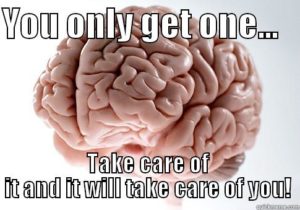
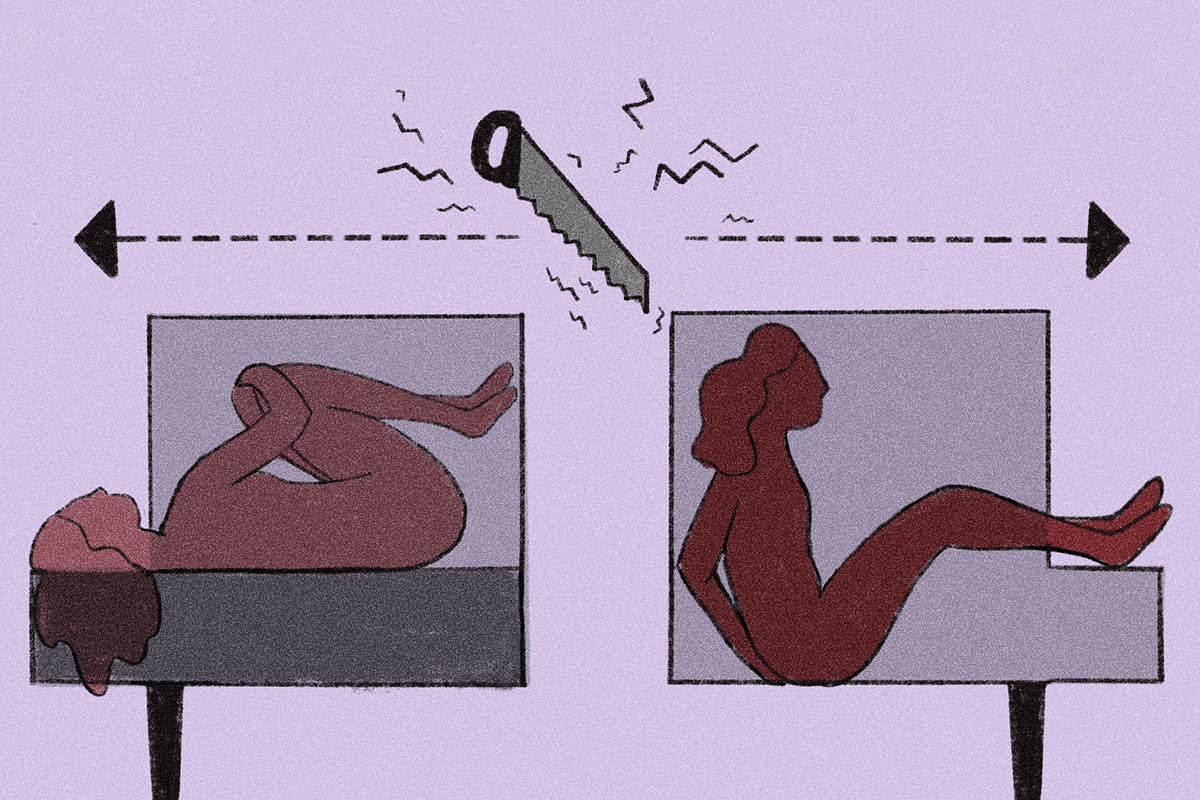
low back careBut you only get one brain – there are no replacement parts for the contents of your skull. And that means that of course you need a little luck, but it also calls for developing good habits to improve your brain health and avoid the behaviors or conditions that hurt, injure, inflame or otherwise destroy your brain.

So, your best practices for the care and feeding of your brain include enough sleep, good food, sufficient water and exercise, and using your mind creatively and actively to retain and enhance your mental acuity. Reducing your stress through massage, meditation, prayer or some other relaxation techniques is also necessary.

Chiropractic adjustments and proper spinal movement have been shown to nourish and stimulate the brain toward better function. And of course you must avoid injury to the best of your ability, either severe head trauma or repetitive micro-injuries from sequential bumps and bruises, like in contact sports, for example.

If you take good care of your brain, you will get amazing and powerful service from it. If not, then you have to wonder just how long you can remain consistent with life itself. The good news is, there’s plenty you can do to tip the scales in your favor – you just actually have to make the effort to do it. If you have any specific questions about how to better take care of your brain or overall health, then please do not hesitate to call or text us at 215-259-5100. Also follow us on Facebook or Instagram (@radiantlifechiro) for more helpful information!

Stimulants increase the activity of certain brain chemicals, especially dopamine and norepinephrine.

 Amphetamines, like other stimulants, increase the activity of certain brain chemicals, especially dopamine and norepinephrine. 

Here’s how they act and their effects on mood:

Action in the Brain: Amphetamines stimulate the release of dopamine, norepinephrine, and serotonin, which are chemicals involved in mood regulation, alertness, and pleasure. By enhancing these neurotransmitters, amphetamines increase alertness, reduce fatigue, and boost concentration.


Mood Changes:

Euphoria and Confidence: Many users feel a rush of euphoria, increased confidence, and energy due to heightened dopamine levels. This can make social interactions feel more enjoyable and make the person feel more capable.

Excitement and Hyperactivity: High energy levels can lead to feelings of excitement or restlessness, sometimes resulting in hyperactive behaviors.

Anxiety and Agitation: As the effects wear off, some people may feel jittery, anxious, or irritable, especially if they've taken a large dose.

Irritability and Sadness After Effects: The "crash" or comedown can bring intense feelings of sadness or irritability as dopamine levels drop, sometimes lasting for days.

Repeated use or high doses of amphetamines can have serious health effects, including increased risk of dependence, cardiovascular issues, and mental health impacts.


At concerts, including those by artists like Alan Walker, some attendees may use stimulants such as caffeine, nicotine, or illicit substances like amphetamines or cocaine to enhance energy and alertness. However, the specific substances used can vary widely among individuals. It's important to note that the use of illegal drugs poses significant health risks and is often prohibited at concert venues. Attending events sober is the safest way to enjoy the experience.

You have learned the anatomy and physiology of the drug interaction, neurotransmitter, uptake. You've learned about how drugs interact with your body, the roles of neurotransmitters, and how uptake mechanisms work. 

Remember, it’s your own body, so you have the right to make your choices.

 But consider carefully any decision you make can affect you in the long run, and you’re the one who may face the consequences one day.

It's your own body do whatever you want! 

You are the one will suffer one day! 

Go ahead 


Friday, November 1, 2024

What would happen to his body after consuming 720 eggs daily for 30 days?


What would happen to his body after consuming 720 eggs daily for 30 days?

Setting the foundation for his experiment, Dr. Norwitz progressed beyond typical nutritional boundaries. 

He exceeded common protein input norms by eating 24 eggs each day, totaling 720 eggs over the month.

Dr. Nick Norwitz, one Youtuber, took on a rather unconventional challenge with eating eggs. With a mission to discover the impact of consuming a staggering 720 eggs within a month, Dr. Norwitz delved into the realm of extreme eating habits. As he documented his journey on YouTube, the question lingered:

What would happen to his body after consuming 720 eggs daily for 30 days?

Setting the foundation for his experiment, Dr. Norwitz progressed beyond typical nutritional boundaries. He exceeded common protein input norms by eating 24 eggs each day, totaling 720 eggs over the month.

Tuesday, October 29, 2024

 At 36 years old, Emily found herself surprised by the numerous and varied guesses about her age. From mid-40s to beyond 60, people on TikTok speculated about her appearance, attributing her perceived age to factors like grey hair, skin texture, and fine lines. The prevailing assumption seemed to be that she looked older based on these physical attributes

Thursday, October 24, 2024

Yes, having a co-borrower on a SoFi Personal Loan can affect the co-borrower's credit score.

 Yes, having a co-borrower on a SoFi Personal Loan can affect the co-borrower's credit score. Here’s how:


Hard Inquiry: When the loan application is submitted, SoFi typically performs a hard credit check on both the primary borrower and the co-borrower, which may slightly impact both credit scores temporarily.


Loan on Credit Report: Once approved, the personal loan will appear on both the borrower’s and the co-borrower’s credit reports as a shared debt. This can impact credit utilization, a factor in credit scores, which could affect the co-borrower's score positively or negatively depending on how it impacts their overall debt profile.


Payment History: The co-borrower is equally responsible for payments, so on-time payments can positively impact both parties' credit scores. However, if there are any late or missed payments, this will negatively impact both scores.


Debt-to-Income Ratio: Adding this loan to their credit profile may increase the co-borrower’s debt-to-income ratio, which lenders often consider in future credit applications.


Overall, a co-borrower's credit score can benefit from responsible repayment of the loan, but it also bears the same risks as the primary borrower if the loan is not managed well.

Thursday, October 10, 2024

Certain diets and foods can help reduce stress by supporting the body's ability to regulate stress hormones and improve mood.


 Certain diets and foods can help reduce stress by supporting the body's ability to regulate stress hormones and improve mood. Here's a breakdown of foods and nutrients that may relieve stress:

  1. Complex Carbohydrates: Foods like whole grains, oats, and quinoa can help the brain produce serotonin, a calming neurotransmitter. Carbohydrates also help stabilize blood sugar levels, which can prevent stress-related irritability.

  2. Omega-3 Fatty Acids: Found in fish like salmon, walnuts, and flaxseeds, omega-3 fatty acids can reduce the production of stress hormones like cortisol and adrenaline. They also support brain health, helping to improve mood and cognitive function.

  3. Magnesium-rich Foods: Magnesium helps relax muscles and nerves, reducing feelings of tension. Foods high in magnesium include spinach, avocados, bananas, and dark chocolate.

  4. Vitamin C: This antioxidant is known to reduce stress hormones. Foods rich in vitamin C, like oranges, strawberries, and bell peppers, can boost the immune system and lower cortisol levels.

  1. Probiotic-rich Foods: There is a strong connection between gut health and mood regulation. Foods like yogurt, kefir, and fermented foods (sauerkraut, kimchi) can promote healthy gut bacteria, which may reduce stress and anxiety.

  2. Herbal Teas: Chamomile, green tea, and peppermint tea are known for their calming effects. Green tea also contains L-theanine, an amino acid that promotes relaxation.

  3. Nuts and Seeds: Almonds, walnuts, and pumpkin seeds provide a good source of healthy fats, magnesium, and B vitamins, all of which support a healthy stress response.

  4. Dark Chocolate: In moderation, dark chocolate can lower stress hormones and improve mood by increasing endorphins and serotonin levels.

Incorporating these foods into a balanced diet, alongside proper hydration, regular exercise, and adequate sleep, can help manage stress more effectively.


Gadzooks! A Brief History of Curse Words


Gadzooks! A Brief History of Curse Words

Arts & Culture

Well, shoot: Curse words have been through a lot of doggone stages to get to where they are today. Mark Twain once said that “under certain circumstances, profanity provides a relief denied even to prayer,” and people have been swearing as long as they’ve been praying.

Advertisement

More on Language

01.

When Did People Start Using Last Names?

02.

What Is the World’s Oldest Name?

03.

Why Is “Red Tape” Associated With Bureaucracy?

Recommended Reading

Arts & Culture

Why Do We Say “Bless You” When Someone Sneezes?

Arts & Culture

How 5 Classic Magic Tricks Work

Load more

Advertisement

 Before it was part of the United States, Alaska belonged to the Russian Empire. By the 1860s, however, Russia was eager to sell the territo...