- English 2B
- Human Biology Anne Alderkamp Monday Wed10-1150am 01 :3:50pm
- Nutrition
- Rick Martinez Math 10
- Microbiology
- Photo 8
Most mornings, 101-year-old Bea Rudney embraces the day on her patio, pedaling a stationary bike.
“I ride to nowhere,” said the effervescent former nurse, who retired from Kaiser Permanente in 1983 after 35 years.
What is Rudney’s secret to longevity?
Her family says it’s her positive attitude and zest for life.
The glamorous centenarian recently hosted an ice cream social, which has become an annual tradition for more than 40 years at her home in the Oakland hills, nestled in a cluster of redwood trees.
“Our mother inspires our entire family with her youthful mindset, positive attitude, and graciousness,” said Rudney’s son, Eric Rudney. “She always looks forward to seeing friends and family, and she enjoys life to its fullest potential.”
Rudney is in excellent health. She eats well — everything in moderation — and drinks lots of water. Rudney enjoys swimming and daily walks with her friends and family.
She also remains socially connected. She enjoys the rich cultural life of the Bay Area — theater, opera, dance, and music. Rudney has been a member of the League of Women Voters for many years, and she’s a lifelong participant of community organizations that support the elderly and minority groups.
Nursing career started 76 years ago
Rudney was born on March 7, 1923, in New Haven, Conn. After completing her nursing degree at Cornell University-New York Hospital School of Nursing, she married Stan Rudney.
Bea Rudney early in her nursing career
Bea Rudney is pictured early in her nursing career.
Soon after, the Rudneys moved to Oakland. Rudney was hired as a nurse at the Kaiser Permanente Oakland Medical Center in 1948.
She worked in the outpatient departments, rotating through several clinics and finally becoming the head nurse of the medical clinic. She obtained her master’s degree from University of California, San Francisco. Rudney went on to teach at the Kaiser Permanente School of Nursing, which graduated its last class in 1976.
“I enjoyed working with the young students,” she said. “I loved being a nurse because I enjoyed spending time with the patients and feeling like I was making a difference. Oakland has such a diverse population. We served people from all walks of life, and I really liked that. I met so many interesting people.”
Passing down life lessons
The Rudneys were married for more than 60 years until Stan Rudney passed away in 2015.
Today, Rudney spends as much time as possible with her family. She has three sons, 12 grandchildren, and 10 great-grandchildren.
Rudney and her granddaughter look over photos.
Rudney and her granddaughter look over photos.
Rudney’s granddaughter, Alexis Rudney, said her grandma always makes people feel special and has inspired her to step outside her comfort zone.
“She keeps me calm and grounded,” Alexis Rudney said. “She has also taught me that the things you worry about won’t matter in the long run. She goes with the flow and has inspired me to travel and do so many things. We go on walks every day, and she beats me up the hill!”
Rudney hopes to pass down the life lessons she has learned to the next generation. She sprinkles her words of wisdom with humor and kindness.
“I’ve been really lucky,” she said. “I do have a positive attitude. I always say, ‘Be kind. It takes so much energy to be negative or angry.’”
Eric Rudney wholeheartedly agrees with his mom.
“Seeing the world through my mom’s eyes reminds us that the power of positive thinking leaves the world a better place than we found it.”
Share
TAGS
Workforce Historical Employee story
…
A DEI program, or diversity, equity, and inclusion program, is a set of policies, strategies, and practices that aim to create a workplace that is inclusive and respectful of all employees. DEI programs can include:
Training
Training employees on how to work with colleagues from different backgrounds and identities. This can include bystander communication training to teach people how to intervene if they witness discrimination or harassment.
Resource groups
Creating resource groups for underrepresented groups, such as women in leadership, Black employees, and military veterans.
Hiring practices
Ensuring that hiring practices are inclusive and that biases don't affect how candidates are viewed.
DEI programs are designed to address issues like discrimination, biases, and marginalization. The goal is to create a culture where all employees feel encouraged to express their ideas and perspectives. Research suggests that diverse viewpoints at all levels of an organization can improve financial results, innovation, and other areas of the business.
DEI programs can take many forms, but they all share the goal of creating a more equitable and inclusive workplace.
How poor sleep can hurt your heart
An interview with Kaiser Permanente sleep expert Clarisse Glen, MD, sheds light on the importance of good sleep habits.
Making simple changes to your environment and bedtime routine can help improve sleep
Like this article?
You don’t need a doctor to tell you that a good night’s sleep just makes you feel good. And not sleeping well — even for one night — can darken your mood and cause poor focus and drowsiness.
But did you know that poor sleep also affects your cardiovascular health?
Consistently poor sleep can increase your risk for obesity, high blood pressure, diabetes, and arterial plaque buildup, all of which are bad for the heart.
One in 3 adults don’t get enough sleep, according to the American Heart Association. Most adults need 7 to 9 hours of sleep, while teens and younger kids need even more.
Clarisse Glen, MD, a sleep specialist at Kaiser Permanente in Sacramento, California, describes how long-lasting lack of sleep can hurt the heart. She also provides tips on getting better sleep.
How does poor sleep or lack of sleep affect the heart?
People who don’t get enough sleep or who wake up often can have a spike in their heart rates and blood pressure. In the long run this can lead to a heart attack or other cardiac event.
We see this especially with patients who have sleep apnea. Those patients have pauses in breathing during sleep, which cause oxygen levels to drop. The oxygen dip causes inflammation that can result in plaque buildup in your arteries. If you regularly sleep less than 6 hours a night, you have a significant risk of heart attack.
Sleep is a time when the body slows down and relaxes. During sleep, your blood pressure falls, and your heart is not working as hard as when you’re awake. This helps restore your mind and body.
When you don’t sleep well, a fight-or-flight response kicks in, releasing the hormone cortisol, which also can increase your risk for heart disease. Additionally, a lack of sleep can activate hormones that trigger overeating and a desire for higher-calorie foods. That can result in weight gain and may eventually lead to obesity.
Clarisse Glen, MD
Kaiser Permanente sleep specialist Clarisse Glen, MD
How can you get a better night’s sleep?
Good sleep starts with good behavior, or what we call sleep hygiene. Lifestyle changes improve sleep the most.
Quality and quantity of sleep have decreased significantly with the advancement of smartphones, laptops, and tablets. People scroll social media in bed, and then wonder why they don’t get good sleep.
Follow these tips for better sleep:
Limit electronics use, including no screens one hour before bedtime.
Create a consistent sleep and wake-up time. Get into bed at the same time every night. Get out of bed at the same time in the morning.
Keep your bedroom cool, dark, and quiet.
Don’t take stimulating substances, such as caffeine, at night. Your last cup of coffee should be at least 6 hours before bedtime.
Avoid alcohol before going to sleep. Although it can make you sleepy, once it metabolizes, it will wake you up. Then it’s difficult to get back to sleep.
Abstain from drinking liquids 2 hours before bedtime to reduce the need to use the bathroom during the night.
Can sleep aids, such as melatonin or prescription sleeping pills, help with sleep?
We don’t recommend sleep aids as a long-term solution for improving sleep. Our bodies develop a tolerance to them, and then they don’t work.
Plus, most sleep issues are caused by your behavior before bedtime, or by depression or anxiety.
When should you contact your doctor about sleep issues?
For people who have difficulty sleeping due to anxiety or depression, we recommend connecting with a mental health professional for cognitive behavioral therapy.
We also recommend contacting your doctor if:
You’re experiencing excessive daytime sleepiness
You have sleep apnea symptoms such as snoring, choking, or gasping for air during sleep
Your insomnia (having trouble falling or staying asleep) lasts more than 8 weeks
Share
TAGS
Care experience Heart health Sleep
Description
It's not often that young people have the opportunity to debate major issues in public before a distinguished set of judges. Incubate Debate, an organization founded in 2019, does just that by encouraging middle-school and high school students to present their views, exchange ideas, and conduct debates in a civil forum. At its 2024 championship tournament in Jacksonville, Florida, students debated two major issues: should college DEI programs be abolished, and is climate change an emergency? Although precise definitions vary, DEI—which stands for diversity, equity, and inclusion—generally refers to the policy of creating a professional environment that treats all people fairly and welcomes participation by all types of people, particularly those from groups that have been historically excluded or underrepresented. As part of this effort, many institutions of higher education have established DEI programs to encourage a more diverse faculty and student body. Supporters of DEI programs argue that colleges should spur hiring and admission of individuals from long-marginalized groups and that by opening their doors to people from a broad array of backgrounds they will better reflect the American population. Opponents of DEI programs argue that they treat people not as unique individuals but as members of racial, ethnic, or other groups and that colleges should hire and admit individuals based solely on their talents and aptitude. Should DEI programs be abolished? Since the dawn of industrialization in the 18th and 19th centuries, the earth's climate has been changing. The emission of carbon dioxide into the atmosphere caused by the burning of coal, oil, and other fossil fuels has warmed the planet. This warming has increased in recent decades, melting mountain glaciers, raising the temperature of oceans, and altering weather patterns. These changes are transforming the earth, but how dire is the situation? Is climate change an emergency?
UC Personal Insight Questions (PIQ) Basics Presentation
Do you want to learn more about the University of California Personal Insight Questions and how to approach them? Join us for an Introduction to the UC PIQ Questions!
Faculty from the Language & Communication Village will
tips to make your reports more engaging and informative:
Craft a Narrative: Turn your data into a story. This helps to keep your audience interested and makes the information more relatable1.
Use Visuals: Incorporate charts, graphs, and images to break up text and visually represent data1.
Be Concise: Keep your language clear and to the point. Avoid unnecessary jargon and long-winded explanations2.
Highlight Key Points: Use bullet points, headings, and subheadings to make important information stand out2.
Include Real-Life Examples: Adding case studies or anecdotes can make your report more relatable and engaging1.
Interactive Elements: If your report is digital, consider adding interactive elements like clickable charts or embedded videos1.
You Only Get One Brain — Take Care of It
Many parts of the human body can sometimes be repaired or replaced with modern medicine, but the brain is uniquely important and deserves lifelong care.
Good brain health starts with everyday habits. Getting enough sleep, eating a balanced diet, drinking enough water, exercising regularly, and keeping the mind active can support both physical and mental well-being. Managing stress through relaxation, meditation, prayer, hobbies, or other healthy activities may also contribute to overall wellness.
Protecting the brain from injury is equally important. Wearing appropriate protective equipment and taking precautions to prevent head injuries—especially during sports, work, driving, and other physical activities—can reduce the risk of serious or repeated brain trauma.
Our daily choices can influence our health over time. Taking care of the brain through healthy habits, physical activity, mental stimulation, adequate rest, and injury prevention is an investment in long-term quality of life.
Source: Adapted and summarized for educational purposes from “You Only Get One Brain,” Radiant Life Chiropractic.
copy from : You Only Get One Brain | Radiant Life Chiropractic
Title: You Only Get One Brain
Publisher/Author: Radiant Life Chiropractic
Publication date: August 27, 2020
Website: Radiant Life Chiropractic
You can get an implant for a missing tooth. You can get a prosthesis, a mechanical limb to use if one of your arms or legs is damaged or lost. You can even get a transplant if your heart, lungs or kidneys wear out.
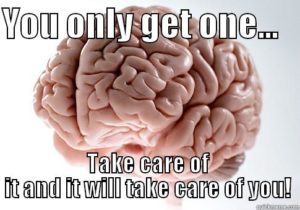
But you only get one brain – there are no replacement parts for the contents of your skull. And that means that of course you need a little luck, but it also calls for developing good habits to improve your brain health and avoid the behaviors or conditions that hurt, injure, inflame or otherwise destroy your brain.
So, your best practices for the care and feeding of your brain include enough sleep, good food, sufficient water and exercise, and using your mind creatively and actively to retain and enhance your mental acuity. Reducing your stress through massage, meditation, prayer or some other relaxation techniques is also necessary.
Chiropractic adjustments and proper spinal movement have been shown to nourish and stimulate the brain toward better function. And of course you must avoid injury to the best of your ability, either severe head trauma or repetitive micro-injuries from sequential bumps and bruises, like in contact sports, for example.
If you take good care of your brain, you will get amazing and powerful service from it. If not, then you have to wonder just how long you can remain consistent with life itself. The good news is, there’s plenty you can do to tip the scales in your favor – you just actually have to make the effort to do it. If you have any specific questions about how to better take care of your brain or overall health, then please do not hesitate to call or text us at 215-259-5100. Also follow us on Facebook or Instagram (@radiantlifechiro) for more helpful information!
Amphetamines, like other stimulants, increase the activity of certain brain chemicals, especially dopamine and norepinephrine.
Here’s how they act and their effects on mood:
Action in the Brain: Amphetamines stimulate the release of dopamine, norepinephrine, and serotonin, which are chemicals involved in mood regulation, alertness, and pleasure. By enhancing these neurotransmitters, amphetamines increase alertness, reduce fatigue, and boost concentration.
Mood Changes:
Euphoria and Confidence: Many users feel a rush of euphoria, increased confidence, and energy due to heightened dopamine levels. This can make social interactions feel more enjoyable and make the person feel more capable.
Excitement and Hyperactivity: High energy levels can lead to feelings of excitement or restlessness, sometimes resulting in hyperactive behaviors.
Anxiety and Agitation: As the effects wear off, some people may feel jittery, anxious, or irritable, especially if they've taken a large dose.
Irritability and Sadness After Effects: The "crash" or comedown can bring intense feelings of sadness or irritability as dopamine levels drop, sometimes lasting for days.
Repeated use or high doses of amphetamines can have serious health effects, including increased risk of dependence, cardiovascular issues, and mental health impacts.
At concerts, including those by artists like Alan Walker, some attendees may use stimulants such as caffeine, nicotine, or illicit substances like amphetamines or cocaine to enhance energy and alertness. However, the specific substances used can vary widely among individuals. It's important to note that the use of illegal drugs poses significant health risks and is often prohibited at concert venues. Attending events sober is the safest way to enjoy the experience.
You have learned the anatomy and physiology of the drug interaction, neurotransmitter, uptake. You've learned about how drugs interact with your body, the roles of neurotransmitters, and how uptake mechanisms work.
Remember, it’s your own body, so you have the right to make your choices.
But consider carefully any decision you make can affect you in the long run, and you’re the one who may face the consequences one day.
It's your own body do whatever you want!
You are the one will suffer one day!
Go ahead
Setting the foundation for his experiment, Dr. Norwitz progressed beyond typical nutritional boundaries.
He exceeded common protein input norms by eating 24 eggs each day, totaling 720 eggs over the month.
Dr. Nick Norwitz, one Youtuber, took on a rather unconventional challenge with eating eggs. With a mission to discover the impact of consuming a staggering 720 eggs within a month, Dr. Norwitz delved into the realm of extreme eating habits. As he documented his journey on YouTube, the question lingered:
Setting the foundation for his experiment, Dr. Norwitz progressed beyond typical nutritional boundaries. He exceeded common protein input norms by eating 24 eggs each day, totaling 720 eggs over the month.
At 36 years old, Emily found herself surprised by the numerous and varied guesses about her age. From mid-40s to beyond 60, people on TikTok speculated about her appearance, attributing her perceived age to factors like grey hair, skin texture, and fine lines. The prevailing assumption seemed to be that she looked older based on these physical attributes
Yes, having a co-borrower on a SoFi Personal Loan can affect the co-borrower's credit score. Here’s how:
Hard Inquiry: When the loan application is submitted, SoFi typically performs a hard credit check on both the primary borrower and the co-borrower, which may slightly impact both credit scores temporarily.
Loan on Credit Report: Once approved, the personal loan will appear on both the borrower’s and the co-borrower’s credit reports as a shared debt. This can impact credit utilization, a factor in credit scores, which could affect the co-borrower's score positively or negatively depending on how it impacts their overall debt profile.
Payment History: The co-borrower is equally responsible for payments, so on-time payments can positively impact both parties' credit scores. However, if there are any late or missed payments, this will negatively impact both scores.
Debt-to-Income Ratio: Adding this loan to their credit profile may increase the co-borrower’s debt-to-income ratio, which lenders often consider in future credit applications.
Overall, a co-borrower's credit score can benefit from responsible repayment of the loan, but it also bears the same risks as the primary borrower if the loan is not managed well.

Certain diets and foods can help reduce stress by supporting the body's ability to regulate stress hormones and improve mood. Here's a breakdown of foods and nutrients that may relieve stress:
Complex Carbohydrates: Foods like whole grains, oats, and quinoa can help the brain produce serotonin, a calming neurotransmitter. Carbohydrates also help stabilize blood sugar levels, which can prevent stress-related irritability.
Omega-3 Fatty Acids: Found in fish like salmon, walnuts, and flaxseeds, omega-3 fatty acids can reduce the production of stress hormones like cortisol and adrenaline. They also support brain health, helping to improve mood and cognitive function.
Magnesium-rich Foods: Magnesium helps relax muscles and nerves, reducing feelings of tension. Foods high in magnesium include spinach, avocados, bananas, and dark chocolate.
Vitamin C: This antioxidant is known to reduce stress hormones. Foods rich in vitamin C, like oranges, strawberries, and bell peppers, can boost the immune system and lower cortisol levels.

Probiotic-rich Foods: There is a strong connection between gut health and mood regulation. Foods like yogurt, kefir, and fermented foods (sauerkraut, kimchi) can promote healthy gut bacteria, which may reduce stress and anxiety.
Herbal Teas: Chamomile, green tea, and peppermint tea are known for their calming effects. Green tea also contains L-theanine, an amino acid that promotes relaxation.
Nuts and Seeds: Almonds, walnuts, and pumpkin seeds provide a good source of healthy fats, magnesium, and B vitamins, all of which support a healthy stress response.
Dark Chocolate: In moderation, dark chocolate can lower stress hormones and improve mood by increasing endorphins and serotonin levels.
Incorporating these foods into a balanced diet, alongside proper hydration, regular exercise, and adequate sleep, can help manage stress more effectively.
 |
Gadzooks! A Brief History of Curse Words |
Arts & Culture |
 |
| |
 | |
Advertisement | ||
| ||
 | ||||
More on Language | ||||
|
| |||
Recommended Reading | |||
 | |||
 | |||
| + Load more | |||
Advertisement | ||
| ||


