Tuesday, February 18, 2025

Coughing is often triggered by excess secretion in the respiratory tract

 Coughing is often triggered by excess secretion in the respiratory tract because the body tries to clear the airways of mucus or other irritants. Here’s how it works:

  1. Irritant Detection: The respiratory tract, including the throat and lungs, is lined with mucus membranes that produce mucus. This mucus traps particles like dust, microbes, and allergens. When these membranes produce more mucus than usual—due to infections, allergies, or irritants like smoke or pollution—the excess mucus can stimulate nerve endings in the airway.

  2. Nerve Stimulation: These nerve endings are part of the body's reflex system designed to protect the lungs. When stimulated by excess mucus, these nerves send signals to the brain.

  3. Cough Reflex Activation: The brain then processes these signals and activates the cough reflex. This reflex involves a deep inhalation followed by a forceful contraction of the muscles in the chest and abdomen, closing the vocal cords. When the cords suddenly open, air rushes out of the lungs at high speed, dislodging and expelling the mucus and irritants.

This mechanism helps keep the airways clear, allowing for easier breathing and reducing the risk of infection. However, persistent or excessive coughing may indicate an underlying health issue that requires medical attention.

Why Do We Wake Around 3am and Dwell on Our Fears?


Why Do We Wake Around 3am and Dwell on Our Fears?

The thoughts are often distressing and punitive. Strikingly, these concerns vaporise in the daylight, proving that the 3am thinking was completely irrational and unproductive. But why?


When I wake at 3am or so, I’m prone to picking on myself. And I know I’m not the only one who does this. A friend of mine calls 3am thoughts “barbed-wire thinking”, because you can get caught in it.

The thoughts are often distressing and punitive. Strikingly, these concerns vaporise in the daylight, proving that the 3am thinking was completely irrational and unproductive. 

So, what’s going on?

I’m a psychology researcher with expertise in mood, sleep, and the circadian system (the internal clock regulating sleep). Here’s what the research says about what may be behind this common experience.


What’s Happening in Your Body at 3am?

In a normal night’s sleep, our neurobiology reaches a turning point around 3 or 4am.

Core body temperature starts to rise, sleep drive is reducing (because we’ve had a chunk of sleep), secretion of melatonin (the sleep hormone) has peaked, and levels of cortisol (a stress hormone) are increasing as the body prepares to launch us into the day.

Remarkably, all this activity happens independent of cues from the environment such as dawn light – nature decided long ago that sunrise and sunset are so important that they must be predicted (hence the circadian system).

We actually wake up many times each night, and light sleep is more common in the second half of the night. When sleep is going well for us, we are simply unaware of these awakenings. But add a bit of stress and there is a good chance that waking will become a fully self-aware state.

Not surprisingly, there is evidence the pandemic is a sleep-disturbing stressor. So if you’re experiencing 3am wakings at the moment, you’re definitely not alone.

Stress also impacts sleep in insomnia, where people become hypervigilant about being awake.

Concerns about being awake when one “should” be asleep can cause the person to jolt themselves into anxious wakefulness whenever they go through a light sleep phase.

If that sounds like you, be aware that insomnia responds well to psychological treatment with cognitive behavioural therapy. There’s also a strong link between sleep and depression, so it’s important to speak to your doctor if you have any concerns about your sleep. 

Catastrophising in the Wee Hours

As a cognitive therapist, I sometimes joke the only thing good about 3am waking is that it gives us all a vivid example of catastrophising.

Around this time in the sleep cycle, we’re at our lowest ebb physically and cognitively. From nature’s viewpoint, this is meant to be a time of physical and emotional recovery, so it’s understandable that our internal resources are low.

But we also lack other resources in the middle of the night – social connections, cultural assets, all the coping skills of an adult are unavailable at this time. With none of our human skills and capital, we are left alone in the dark with our thoughts. So the mind is partly right when it concludes the problems it’s generated are unsolvable – at 3am, most problems literally would be.

Once the sun’s up, we’re listening to the radio, chewing our Vegemite toast and pushing the cat off the bench, and our 3am problems are put in perspective. We can’t believe the solution of just ringing this person, postponing that thing, or checking such-and-such was overlooked in the wee hours.

The truth is, our mind isn’t really looking for a solution at 3am. We might think we are problem solving by mentally working over issues at this hour, but this isn’t really problem solving; it’s problem solving’s evil twin – worry.

Worry is identifying a problem, ruminating about the worst possible outcome and neglecting the resources we would bring to bear should the non-preferred outcome actually occur.

person in bed, awake


So, What Can We Do about It?

Have you noticed the 3am thoughts are very self-focused? In the quiet dark, it’s easy to slide unknowingly into a state of extreme egocentricity. Circling round the concept “I”, we can generate painful backwards-looking feelings like guilt or regret. Or turn our tired thoughts to the always uncertain future, generating baseless fears.

Buddhism has a strong position on this type of mental activity: the self is a fiction, and that fiction is the source of all distress. Many of us now practise Buddhist-informed mindfulness to manage stress in the daytime; I use mindfulness to deal with 3am wakings.

I bring my attention to my senses, specifically the sound of my breath. When I notice thoughts arising, I gently bring my attention back to the sound of breathing (pro tip: earplugs help you hear the breath and get out of your head).

Sometimes this meditation works. Sometimes it doesn’t. If I’m still caught in negative thinking after 15 or 20 minutes, I follow the advice from cognitive behavioural therapy, and get up, turn on dim light and read.

This action may seem mundane, but at 3am it is powerfully compassionate, and can help draw you out of your unproductive thinking.

One last tip: It’s important to convince yourself (during daylight hours) that you want to avoid catastrophic thinking. For good reasons not to worry, you can’t go past the Stoic philosophers.

Waking and worrying at 3am is very understandable and very human. But in my opinion, not a great habit to get into.

Greg Murray is a professor and director at Swinburne University of Technology’s Centre for Mental Health.



Thursday, February 6, 2025

Bird flu concerns grow as second strain found in US

https://www.emergencyemail.org/health/?utm_source=Health-Alert&utm_medium=email&utm_campaign=Health-Alert-2/5/2025&utm_term=gmail.com&adddate=5-25-2018

 Bird flu concerns grow as second strain found in US

Second bird flu strain found in US dairy cattle, USDA says


U.S. dairy cattle tested positive for a strain of bird flu that previously had not been seen in cows, the U.S. Department of Agriculture said on Wednesday, ramping up concerns about the persistent spread of the virus.

The H5N1 virus has reduced milk output in cattle, pushed up egg prices by wiping out millions of hens, and infected nearly 70 people since April as it has spread across the country.

The second strain was the predominant genotype among wild birds this past fall and winter and has also been found in poultry, the USDA said. It was identified in dairy cattle through an agency program

"We're seeing the H5N1 virus itself be smarter than all of us," said Beth Thompson, South Dakota's state veterinarian.


"It's modifying itself so it's not just staying in the poultry and the wild birds likely transmitted the second strain to cattle in Nevada, said J.J. Goicoechea, Nevada's agriculture director. Farmers need to ramp up safety and security measures to protect their animals, he s

Sunday, January 26, 2025

A Day in the Life of a Settler in Colonial America


A Day in the Life of a Settler in Colonial America

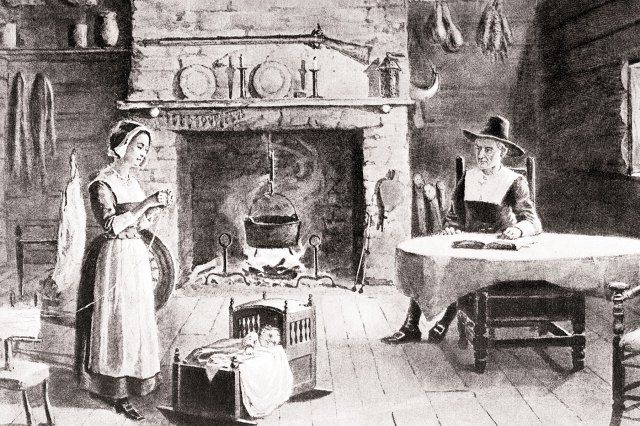
  • Colonial settlers, 1760

There was no one typical day in colonial America — the experiences of colonial families differed based on their location, economic status, and individual circumstances. The colonial era not only spanned a large period of time — from the early 17th century to the late 18th century, before the United States became an independent nation — but it also covered a large and varied landscape. The 13 original American colonies stretched from Massachusetts to Georgia, and were populated by settlers from different parts of Europe whose beliefs, traditions, and lifestyles varied greatly.

Colonial settlements ranged from the growing urban centers of the Northeast to the rural agrarian communities of the Southern colonies, and the daily routines of families were impacted by their environment, which included the influence of Indigenous populations. Colonists often adopted or adapted aspects of Native American culture, including agricultural practices and culinary techniques, in order to survive. Weather conditions, seasons, and the availability of resources also played significant roles in shaping daily life in the colonies. But whether you were a farmer, a merchant, a tradesman, or a wife and mother, day-to-day life in the colonies consisted of long days, hard work, and community connections.

Photo credit: ClassicStock/ Archive Photos via Getty Images

The Workday Started Before Dawn

The workday in colonial America typically began before dawn and lasted until the sun went down, and throughout the day, families dedicated themselves to tasks essential for their survival. The morning started with a modest breakfast of bread and milk, porridge, or cornmeal mush with cider or beer before the work began. This sustenance was much-needed: Depending on the time of year, weather, and season, the typical workday could be up to 12 hours long, six days a week

Men were expected to provide for their family, and while farming was the primary occupation throughout the colonies, there were a variety of other jobs to be filled, particularly as towns started to grow. Men worked as blacksmiths, carpenters, silversmiths, and in other skilled trades and crafts that contributed to the local economy. Women typically worked in the home, managing all aspects of the household and childcare, including meal preparation and basic education of the children. In addition, married women in non-farming families often worked alongside their husbands in shops or trades, and unmarried or widowed women took jobs as seamstresses, midwives, or tavern keepers. Children often assisted their parents in their work, learning valuable skills for their future roles in the community.

Saturday, January 18, 2025

Trip Reports

https://simpleflying.com/category/trip-reports/ 

JetBlue Slapped With $2 Million Fine

 JetBlue Slapped With $2 Million Fine For "Chronic" Flight Delays By USDOT

Frontier Airlines review

 Frontier Airlines, a U.S.-based ultra-low-cost carrier, has received varied ratings across different aspects of its service.


Safety: In 2025, AirlineRatings.com recognized Frontier Airlines as the safest low-cost carrier in the U.S., highlighting its commitment to safety standards. 

NEW YORK POST


On-Time Performance: According to aviation data provider Cirium, Frontier Airlines had an on-time arrival rate below 72% in 2024, placing it among the lower-performing U.S. carriers in terms of punctuality. 

AP NEWS


Customer Satisfaction: The American Customer Satisfaction Index (ACSI) ranked Frontier Airlines near the bottom among U.S. carriers, with a score of 69 out of 100, just above Spirit Airlines. 

NERDWALLET: FINANCE SMARTER


Passenger Reviews: Travelers have reported mixed experiences with Frontier Airlines. Common feedback includes appreciation for low fares but concerns over additional fees, seat comfort, and customer service. For instance, Skytrax reviews indicate an average rating of 2 out of 10 based on 3,751 reviews. 

SKYTRAX


In summary, while Frontier Airlines is recognized for its safety and competitive pricing, potential passengers should be aware of its performance in punctuality and customer satisfaction, as well as the possibility of additional fees for services.

In WWI, France started to build a fake Paris to confuse German bombers.

  Just after noon on August 30, 1914, about a month into World War I, a biplane marked with the German iron cross under its wings flew 6,00...